





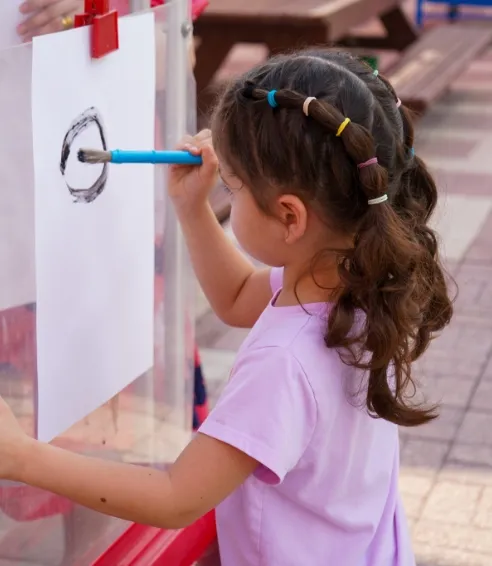
Enriching Play, Encouraging Growth
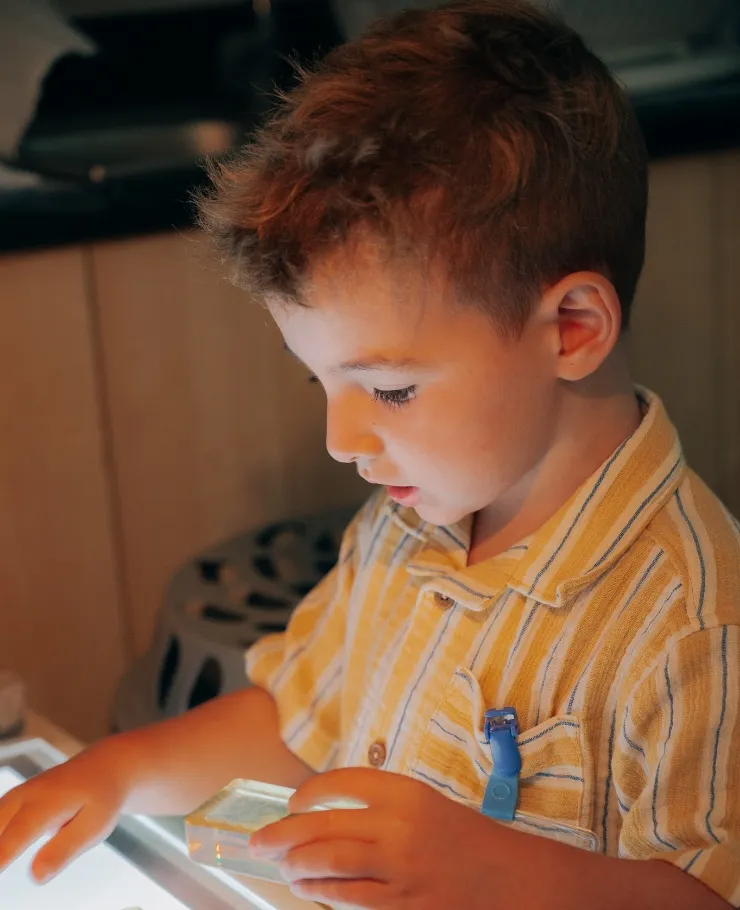
Our play-based approach blends exploration with intentional teaching. Through guided play, free choice activities, and integrated literacy and math, children collaborate, discover, and foster their independence and growth.
EXPLORE MOREOur Early Childhood Academic Programs
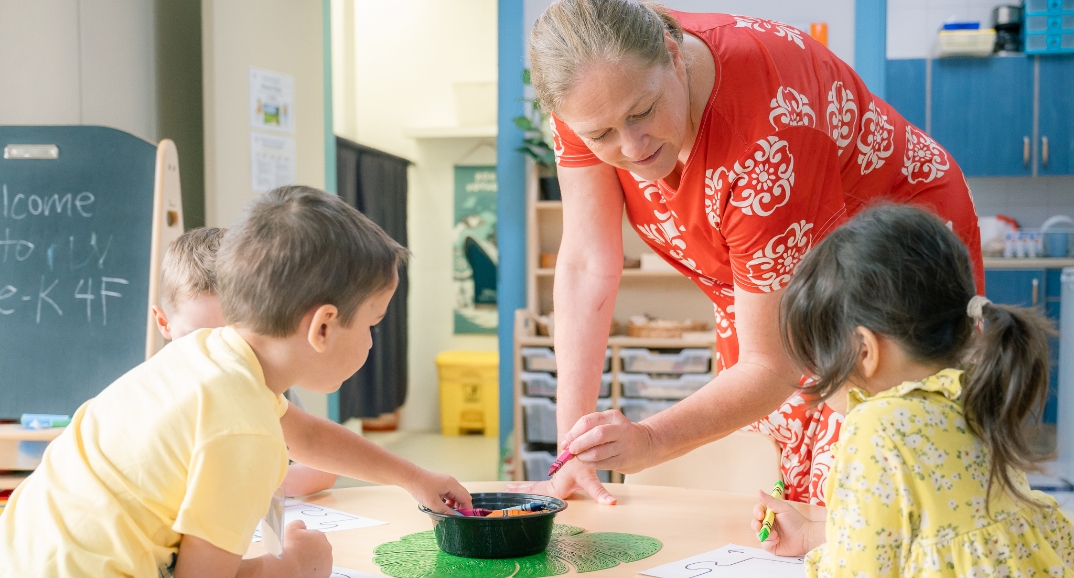
Pre-Kindergarten 3 & 4
In our Pre-K 3 and Pre-K 4 program, every experience is designed with purpose. Through carefully planned learning across language, movement, and play, we build the foundational skills children need to thrive as readers, writers, and thinkers in Kindergarten and beyond. Here is a closer look at what that foundation includes — and why it matters.
Oral Language and Phonemic Awareness
Language is the foundation of all literacy. In Pre-K 3, children build vocabulary, learn to express their ideas, and begin tuning their ears to the sounds around them. In Pre-K 4, that awareness becomes more intentional — children practice hearing and manipulating the individual sounds within words, a skill closely tied to reading success. By the time they reach Kindergarten and Grades 1 and 2, children with strong oral language and phonemic awareness are better prepared to decode words, spell, and understand what they read.
Motor Development
Children learn through their bodies. Gross motor experiences — climbing, balancing, and coordinating movement — build the core strength and body awareness children need to sit, focus, and engage in structured learning. Fine motor development, which progresses from building and painting in Pre-K 3 to increasingly precise hand control in Pre-K 4, directly supports pencil grip, letter formation, and writing fluency in the years ahead.
Play and Learning Dispositions
Play is where children develop the habits of mind that shape them as learners. Through both teacher-designed guided play and child-directed free choice, children practice persistence, curiosity, flexibility, and collaboration — the dispositions that determine how they approach challenges in every subject and every grade. In Pre-K 3, children explore and discover alongside peers. By Pre-K 4, they are setting intentions, working through obstacles, and beginning to reflect on their own learning — a foundation that carries them well into Kindergarten and beyond.
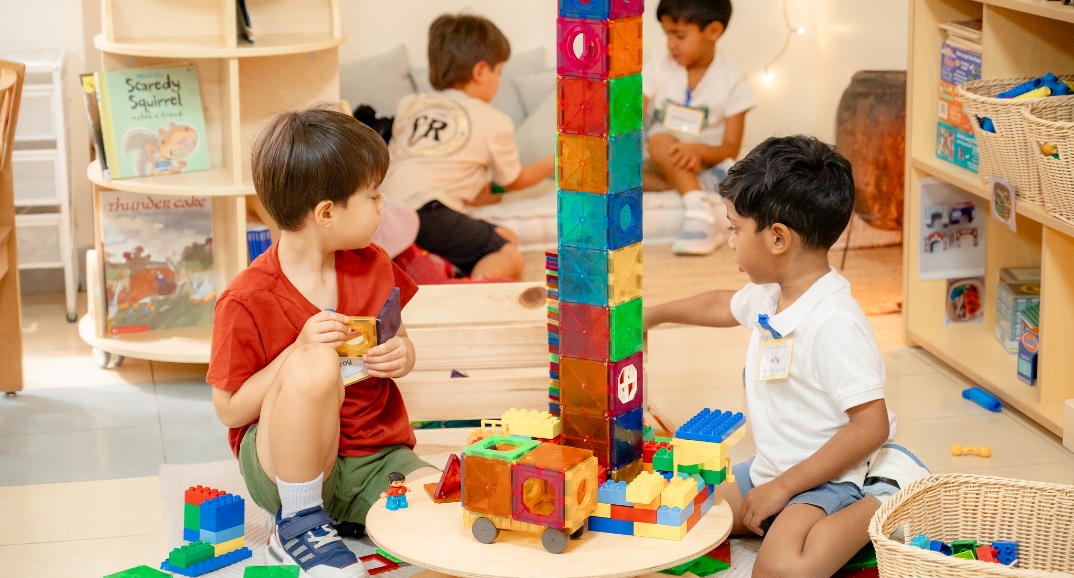
Kindergarten
Kindergarten: Building on a Strong Foundation
Kindergarten is a bridge between the rich, play-based learning of Pre-K and the more structured demands of Grades 1 and 2. Hands-on, active learning remains central, but children begin engaging with a standards-based curriculum that introduces greater intention and structure across the day.
The oral language and phonemic awareness children developed in Pre-K are now applied directly to reading and writing through explicit phonics and structured literacy instruction, with continued emphasis on vocabulary and comprehension. Math is taught daily with purpose and woven throughout the broader day. And the learning dispositions children practiced through play — curiosity, persistence, and collaboration — are called upon in new ways as children are gently guided toward greater independence and ownership of their learning.